Is AstroTurf the Same as Artificial Turf? Why the Category Name and the Brand Name Don’t Mean the Same Thing
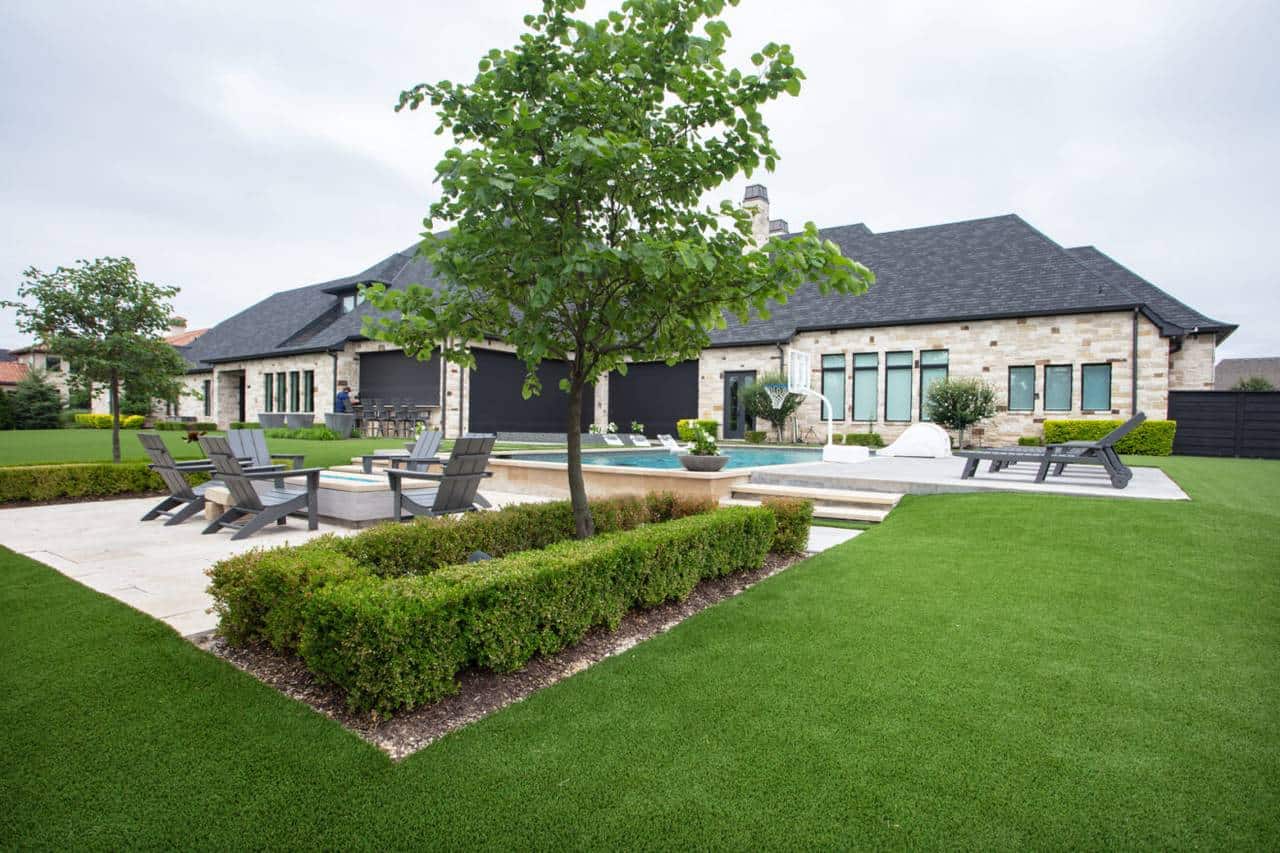
Here’s a question worth answering clearly before any purchase of synthetic turf: Is AstroTurf the same as artificial turf? On one level, yes — AstroTurf is a type of artificial turf. On another level, no — artificial turf is a product category containing many brands, and AstroTurf is one specific brand within it with its own technologies, testing standards, and performance record.
The confusion is historically earned. In 1966, AstroTurf created the world’s first synthetic playing surface for the Houston Astrodome. There was no other product in the category — AstroTurf was the only product in the category. On March 21, 1966, the Houston Astros hosted the Los Angeles Dodgers in the first Major League Baseball game on synthetic turf, and television coverage introduced millions of Americans to both the product and the brand simultaneously. With no alternatives in view, “AstroTurf” became the shorthand for everything synthetic. By the time competitors entered the market and a quarter of MLB teams were playing on artificial surfaces from various manufacturers, the vocabulary had already hardened. People called it all AstroTurf because that’s what they’d always called it.
That legacy still shapes how the question gets asked. But the market it describes is very different from that in 1966, and treating every synthetic surface as equivalent can lead to poor outcomes for anyone managing a facility budget and athlete safety simultaneously.
Generic artificial turf and AstroTurf share basic characteristics. Both use synthetic fibers — typically polyethylene, polypropylene, nylon, or blends — held in a backing system with infill material between the fibers and drainage infrastructure below. That architecture is standard across the industry.
Where products diverge is in what gets engineered above that baseline. AstroTurf’s RootZone technology represents one of the most significant examples: crimped nylon fibers form a three-dimensional matrix beneath the surface that captures infill and prevents it from migrating away from the playing area. The result is a surface that performs consistently throughout its lifespan. Independent research at Michigan State University found that RootZone surfaces produce biomechanical properties comparable to natural grass, with uniform shock absorption across the field rather than the uneven degradation common on systems without infill retention.
The Trionic Plus fiber system addresses several other performance concerns in one integrated design. Nylon and polyethylene copolymers combine with Sharkskin fiber texturing to reduce skin friction by 30%, DualChill reflective technology to improve surface temperature management by 42%, Statblock antistatic additives to reduce static buildup by up to 17 times, and Sanitized antimicrobial treatment to prevent bacterial odor and surface microbial growth.
Is AstroTurf the same as artificial turf in terms of product specialization? Not really. AstroTurf develops sport-specific systems rather than universal products. The Diamond Series for baseball engineers different fiber types and pile heights for base paths and outfield zones. Poligras systems for field hockey are built to International Hockey Federation standards. This product development draws on a twelve-year academic partnership with the University of Tennessee’s Department of Turf Sciences.
Testing rigor also differs. AstroTurf uses One Turf testing aligned with FIFA, World Rugby, and FIH standards — the gold standard in synthetic surface evaluation. Generic manufacturers often test only for basic safety thresholds, such as GMax, without assessing broader performance characteristics.
Sustainability distinguishes AstroTurf further. The company is the only USDA BioPreferred sports turf manufacturer and produces carbon-neutral systems. The Poligras Paris GT Zero, featured at the Paris 2024 Olympics, incorporates 80% bio-based materials from Brazilian sugar cane and delivers CO2 savings of approximately 73 tonnes per standard pitch. All current products are PFAS-free, and the company has committed to zero landfill waste through recycling partnerships.
Practical lifespan rounds out the comparison: generic surfaces typically require replacement within three to five years; AstroTurf systems are designed for eight- to ten-year cycles.
Is AstroTurf the same as artificial turf? As a product type, yes. As a performance standard, durability expectation, and environmental commitment, the answer is no, and for any serious facility investment, the distinction is worth understanding fully.