

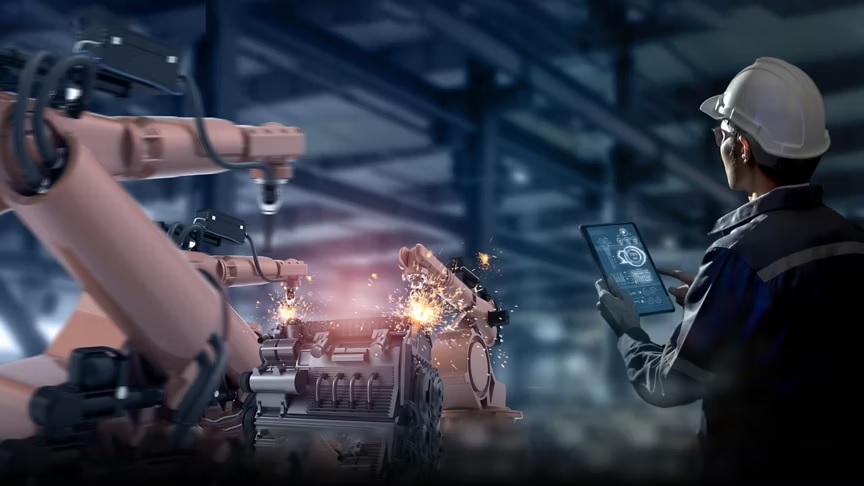
Industries are the backbone of economies worldwide, defining how goods and services are produced, distributed, and consumed. Over the centuries, industrial sectors have undergone dramatic transformations, influenced by technological advancements, evolving consumer preferences, and the pressures of globalization. The modern industrial landscape is no longer a static model but a dynamic system marked by innovation, adaptability, and resilience. As industries continue to evolve, businesses must not only address current challenges but also anticipate future disruptions that could reshape their very foundation. This article delves into the changing nature of industry, the factors driving these shifts, and the opportunities and challenges that businesses must navigate to thrive in the future.
The Industrial Revolution: A Historical Overview
To understand the trajectory of modern industries, it is essential to begin with a look at the Industrial Revolution, which fundamentally altered the way societies functioned. The first Industrial Revolution, which began in the late 18th century, saw the shift from agrarian economies to industrialized ones. Advancements in machinery, such as the steam engine, and the rise of factory-based production methods allowed industries to scale rapidly. This period gave birth to industries like textiles, coal mining, and iron production, which were the powerhouses of early industrial economies.
By the late 19th and early 20th centuries, the Second Industrial Revolution ushered in a new wave of technological innovation, including electricity, the internal combustion engine, and mass production. This era saw the birth of industries like automobiles, steel, and chemicals, and it set the stage for the modern corporate world we know today. The introduction of assembly lines, epitomized by Henry Ford’s Model T, revolutionized manufacturing, allowing for greater efficiency and accessibility of goods.
Fast forward to the late 20th and early 21st centuries, and we see a third revolution—this time defined by digital technology, automation, and information networks. The rise of computers, the internet, and artificial intelligence (AI) has drastically altered industries, leading to the rapid expansion of sectors such as information technology, telecommunications, and e-commerce. Today, we are witnessing the advent of the Fourth Industrial Revolution, where industries are increasingly reliant on technologies like artificial intelligence, machine learning, robotics, and blockchain to redefine their operations.
The Forces Shaping Modern Industry
A variety of factors are driving change in industries today. These forces are reshaping traditional business models and creating new opportunities for growth, while also introducing new risks and challenges.
-
Technological Advancements: The most prominent factor transforming industries is the ongoing pace of technological innovation. Automation and artificial intelligence are transforming manufacturing processes, making them more efficient and less reliant on human labor. In the automotive industry, for example, electric vehicles (EVs) and autonomous driving technologies are reshaping how vehicles are designed, produced, and used. Similarly, industries such as healthcare, logistics, and finance are benefiting from automation, data analytics, and blockchain, which enable faster, more efficient services.
-
Globalization: As businesses increasingly expand across borders, industries are becoming more interconnected than ever before. Global supply chains allow companies to source materials and products from multiple regions, reducing costs and increasing efficiency. However, globalization also brings with it the risk of economic dependencies and supply chain vulnerabilities. The COVID-19 pandemic, for example, exposed the fragility of global supply chains, forcing industries to reassess their operations and consider more localized production models to mitigate risk.
-
Environmental and Sustainability Pressures: Increasing awareness of environmental issues and the effects of climate change has led to greater demand for sustainable practices across industries. The pressure to reduce carbon emissions, minimize waste, and conserve resources has transformed industries ranging from energy to fashion. The shift towards renewable energy in the energy sector, for example, has given rise to industries focused on solar, wind, and geothermal energy. Similarly, in the manufacturing sector, there is a growing trend toward adopting circular economy models that prioritize recycling, reuse, and sustainability.
-
Consumer Expectations: The demands of consumers have evolved significantly in recent decades. With the rise of social media, consumers are now more informed than ever before and expect companies to offer not only quality products but also transparency, ethical practices, and personalized experiences. The retail sector, in particular, has undergone a massive transformation with the rise of e-commerce giants like Amazon and Alibaba. Consumers now expect a seamless shopping experience that combines the convenience of online ordering with fast delivery times and personalized recommendations.
-
Workforce Evolution: The future of industry will also be shaped by the changing nature of the workforce. Automation and AI are expected to displace some jobs while creating new ones, particularly in fields like data analysis, robotics, and cybersecurity. Furthermore, the rise of remote work, accelerated by the COVID-19 pandemic, has forced industries to reconsider traditional office-based work structures. As companies adapt to the demands of a more flexible, tech-savvy workforce, industries will need to invest in employee training and development to ensure their teams remain competitive in a fast-evolving job market.
Key Industries on the Rise
While traditional sectors such as manufacturing and agriculture continue to play vital roles in the global economy, several industries are emerging as critical drivers of future growth. These sectors are poised to benefit from technological advancements, changing consumer preferences, and global trends.
-
Technology and AI: The tech industry continues to be a dominant force in the modern economy. From software development to hardware innovation, the sector has experienced rapid growth driven by advancements in AI, machine learning, and cloud computing. Companies like Google, Microsoft, and Amazon are at the forefront of these transformations, investing heavily in AI, quantum computing, and autonomous systems to create new business opportunities. The rise of AI is also influencing sectors like healthcare, education, and logistics, where intelligent systems are being used to improve efficiency and outcomes.
-
Renewable Energy: With the growing urgency of addressing climate change, the renewable energy industry is expanding rapidly. Solar, wind, and hydroelectric power are increasingly being adopted as alternatives to fossil fuels, driven by both environmental concerns and the decreasing cost of renewable technologies. The transition to a low-carbon economy is expected to create millions of jobs in the renewable energy sector, from the construction of solar farms to the development of energy storage solutions.
-
Healthcare and Biotechnology: The healthcare industry is undergoing profound changes, driven by advances in biotechnology, genomics, and personalized medicine. Breakthroughs in gene editing, cancer treatments, and diagnostic tools are transforming the way healthcare is delivered. Additionally, the COVID-19 pandemic has accelerated the adoption of telemedicine, enabling healthcare providers to offer remote consultations and care. The biotechnology industry, which focuses on the development of therapies, vaccines, and medical devices, is also experiencing rapid growth, particularly in areas like gene therapy and immunotherapy.
-
Financial Services and Fintech: The financial services industry is being reshaped by the rise of fintech—companies that leverage technology to provide financial services. Mobile payment platforms, digital wallets, and peer-to-peer lending have revolutionized the way consumers and businesses manage money. Blockchain technology, which underpins cryptocurrencies like Bitcoin, is also transforming the financial sector, offering new ways to conduct secure transactions and store data. As more people move away from traditional banking and financial institutions, fintech is expected to continue its upward trajectory.
-
Sustainability and Green Manufacturing: As sustainability becomes more of a societal imperative, industries that focus on green manufacturing, sustainable products, and eco-friendly technologies are emerging as key players in the global economy. Green building materials, electric vehicles, and sustainable fashion are just a few examples of industries that are benefiting from increased demand for environmentally responsible products and services. Businesses that fail to adapt to this growing demand for sustainability risk being left behind in the marketplace.
Challenges Facing Modern Industries
Despite the numerous opportunities on the horizon, industries today face significant challenges. These include the need to adapt to technological disruptions, the pressure to meet sustainability goals, and the complexities of managing a globalized supply chain. Moreover, as the workforce becomes more diverse and remote, companies must navigate the complexities of managing teams and maintaining a cohesive culture across different time zones and geographies.
In addition, the regulatory environment is becoming increasingly complex. Governments around the world are implementing stricter environmental standards, data privacy laws, and labor regulations that companies must comply with. Failure to meet these regulatory demands can result in fines, reputational damage, and even legal action.
Conclusion: The Future of Industry
The industrial landscape of the future will be defined by rapid innovation, technological advancements, and a heightened focus on sustainability. While industries such as manufacturing, agriculture, and energy will continue to evolve, emerging sectors like AI, renewable energy, and fintech will play pivotal roles in driving economic growth. Companies that embrace change, invest in technology, and align their strategies with the demands of the modern consumer will be best positioned to thrive in this ever-changing environment. As industries adapt to the challenges and opportunities of the 21st century, they will continue to shape the global economy and the future of work itself.
Comments are closed.